
How do you want to shop?
How to Use a Weed Vape: A Beginner’s Guide

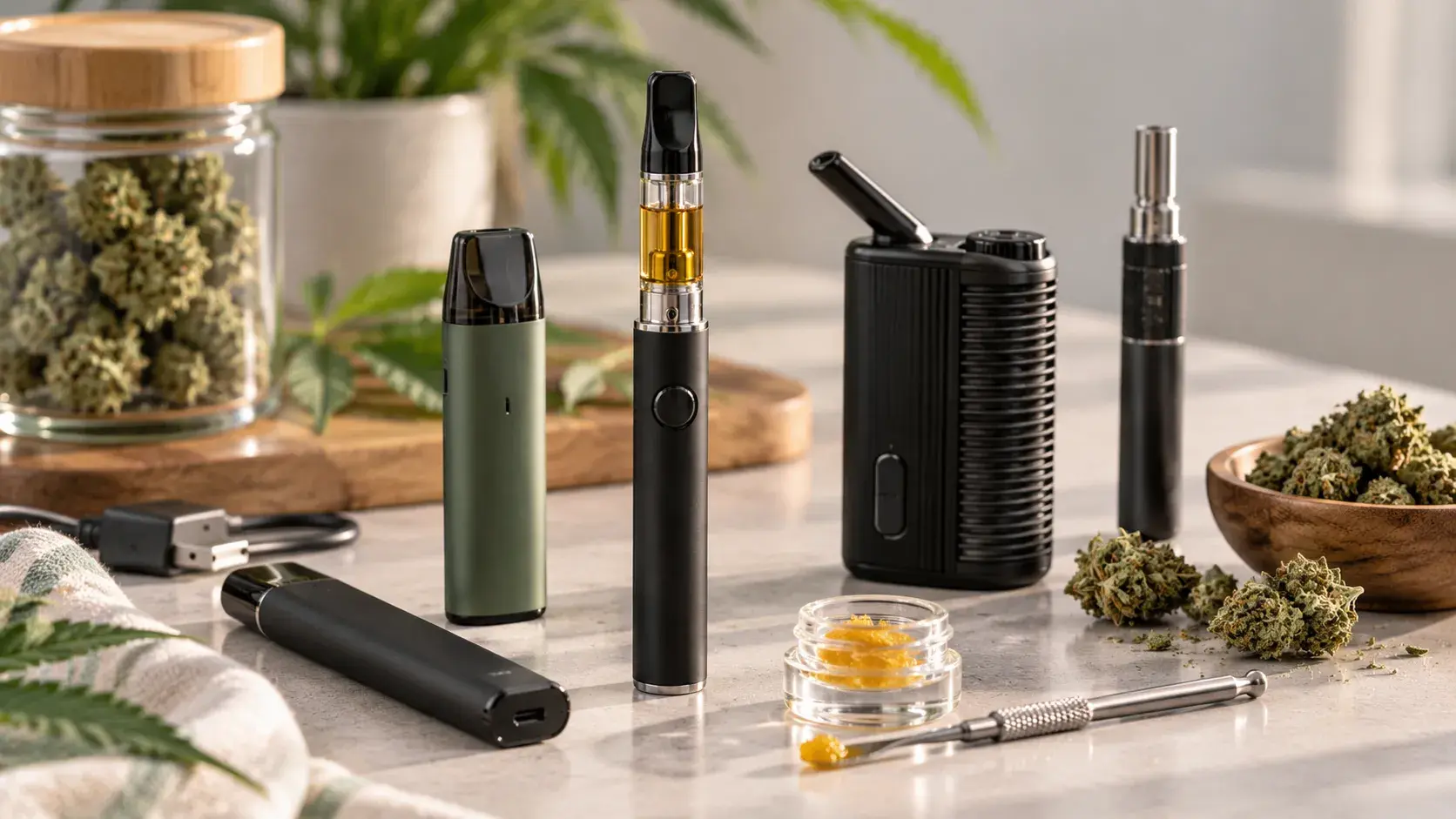
Learning how to vape weed starts with understanding your device. Most weed vape pens are simple to use once you know the basic controls. However, different devices work with different cannabis products and hardware.
A cannabis vape may use a pre-filled vape cartridge, disposable device, pod system, dry herb vaporizer, or dab pen. Each type has its own setup and operating instructions. Therefore, checking your device before taking a draw is an important first step.
If you are wondering how to vape weed for the first time, keep the process simple. Start by reading the manufacturer's instructions and checking the battery or device. Then, use the correct cartridge, pod, flower, or concentrate for your vaporizer.
This beginner guide explains how to use a weed vape from setup through basic maintenance. It also covers taking a draw, temperature settings, common mistakes, safety, and troubleshooting. Keep reading to learn the cannabis vaping basics before using your device.
What Types of Weed Vapes Can You Use?
Weed vapes come in several forms, and each one uses different hardware. Popular cannabis vape brands offer different types of devices, including disposable vapes, cartridges, pod systems, and dry herb vaporizers. Before choosing a cannabis vape, check which product the device supports. This matters because cartridges, pods, dry cannabis flower, and concentrates require different vape systems.
Disposable Vapes
A disposable vape combines the vape battery, heating element, cartridge, and mouthpiece in one device. Most come pre-filled, so they require little setup before use. Some activate when you draw, while others use a button.
Because the device already contains its components, check the packaging before using it. Remove any protective pieces and confirm that the device is ready for use. Then, follow the manufacturer's instructions for activation and disposal.
510-Thread Cartridges
A 510-thread cartridge connects to a compatible 510-thread battery. The cartridge usually contains cannabis oil, while the battery supplies power to the heating element. This setup lets you replace the cartridge without replacing the entire vape battery.
Before attaching a cartridge, check that both components are compatible. Screw the cartridge onto the 510 battery until it sits securely. Avoid forcing or overtightening the connection, since that can cause connection problems.
Pod-Based Vapes
A pod vape uses a removable pod that connects to a compatible pod system. Some pods use magnetic connections, while others use a specific connection made for that device. Therefore, pods and batteries are not always interchangeable.
Check the device instructions before inserting a pod. Make sure the pod sits correctly and does not feel loose. If the system has temperature or voltage settings, use only the range recommended by the manufacturer.
Dry Herb Vaporizers
A dry herb vaporizer heats dry cannabis flower inside a dedicated vape chamber. Unlike cartridge devices, these vaporizers are designed for dry material rather than cannabis oil. Some models also include adjustable temperature control.
Because designs vary, read the instructions before loading into the chamber. Use only dry cannabis flower and other materials the manufacturer approves. Also, clean the chamber according to the device's maintenance instructions.
If you're new to using cannabis flower, our guide on what cannabis flower is can help you understand how it differs from other cannabis products before choosing a dry herb vaporizer.
Concentrate Vapes and Dab Pens
A concentrate vaporizer, often called a dab pen, is designed for cannabis concentrates. These devices may use an atomizer, heating chamber, or specialized coil. Their setup can differ from standard cartridge and pod systems.
Before using one, confirm which type of concentrate the device supports. Load the chamber according to the manufacturer's directions and avoid overfilling it. Never add other substances that the device does not specify for use.
How to Choose a Weed Vape as a Beginner
Choosing a beginner vape starts with matching the device to the type of cannabis product you plan to use. Cartridges, pods, dry cannabis flower, and concentrates each require compatible hardware. Therefore, check the device specifications before making a choice.
For a simple setup, a disposable vape may require fewer separate parts. A 510-thread battery gives you more flexibility with compatible cartridges. Meanwhile, a dry herb vaporizer or dab pen requires more hands-on setup and maintenance.
Vape type | What it uses | Setup |
Disposable vape | Pre-filled cannabis oil | Minimal |
510-thread vape | Compatible vape cartridge | Battery + cartridge |
Pod system | Compatible cannabis pod | Battery + pod |
Dry herb vape | Dry cannabis flower | Load chamber |
Dab pen | Cannabis concentrates | Load concentrate |
Before choosing a cannabis vape, check the packaging and manufacturer's instructions. Confirm that the device supports the cannabis product you plan to use and that you understand its basic controls. Choosing a device that matches your preferred product can make the setup easier to follow.
How to Vape Weed: Step-by-Step
Learning how to vape weed starts with preparing the device correctly. The exact process depends on whether you use a disposable vape, cartridge, pod system, dry herb vaporizer, or dab pen. Before taking a draw, make sure you have the correct product and understand how the device operates.
For most devices, the basic process follows this order:
1. Read the device instructions.
2. Charge the battery if needed.
3. Attach the cartridge, insert the pod, or load the chamber.
4. Turn on or activate the vape.
5. Take a short, gentle draw.
6. Exhale normally and pause.
These steps provide a general starting point, but your device may work differently. Always follow the manufacturer's directions when they differ from this general process.
Read the Device Instructions
Before using a weed vape pen, take a few minutes to read the instructions that came with it. Check whether the device activates with a button, a draw, or another method. Also, look for information about compatible cartridges, pods, cannabis flower, or concentrates. If the vape includes temperature control or voltage settings, find out which settings the manufacturer recommends.
The instructions can also explain battery warnings, charging requirements, and other device signals. Knowing what these indicators mean can make it easier to identify a problem later. Some models also require specific cables or accessories, so check those requirements before using the device.
Charge the Battery
A rechargeable vape battery should have enough power before you begin. Connect it using the charging cable or method specified by the manufacturer, then allow it to charge according to the device instructions. Before charging, inspect the battery and cable for visible damage, unusual wear, or other problems. If either component appears damaged, do not continue using it.
Keep the device away from water and extreme heat while charging or storing it. Avoid using an improvised charger that the manufacturer does not recommend. Once the battery reaches the appropriate charge, disconnect it according to the device instructions.
Attach the Cartridge or Load the Chamber
The setup depends on the type of cannabis vape you are using. A 510-thread cartridge connects to a compatible battery, while a pod fits its matching pod system. A dry herb vaporizer uses a chamber for dry cannabis flower, while a dab pen uses a chamber designed for compatible concentrates. Always confirm that the product and device are compatible before loading anything.
If you are using a cartridge, attach it gently until the connection feels secure. Do not force the cartridge or tighten it more than necessary, since this can create connection problems. For dry herb and concentrate devices, follow the manufacturer's instructions for loading the chamber. Avoid overfilling any chamber because excess material can interfere with airflow, heating, or normal device operation.
Turn On or Activate the Vape
Once the device is prepared, use its specified activation method. Some weed vape pens activate automatically when you draw from the mouthpiece, while others require a power button or a particular sequence of button presses. If your vape does not activate as expected, check the instructions before trying different controls.
If the device includes temperature control or voltage settings, use the range recommended by the manufacturer. Higher settings are not automatically better, and you should not change settings simply to increase vapor production. Instead, become familiar with how the device operates at its intended settings. If the device becomes unusually hot, produces an unexpected taste, or shows a warning signal, stop and check the manufacturer's guidance.
Take a Short, Gentle Draw
Once the device is ready, place the vape mouthpiece between your lips and take a short, gentle draw. Avoid pulling forcefully because a hard draw can affect the airflow and make the vapor feel harsher. You also do not need to take a deep inhalation to use the device. A controlled draw allows you to become familiar with how the vape feels and how much vapor it produces.
Your first draw does not need to create a large cloud. Focus instead on using a comfortable, controlled technique that matches the device's instructions. If the vapor tastes burnt or feels unusually harsh, stop using the vape and check the cartridge, chamber, airflow, and settings. Do not continue taking draws when the device appears to be malfunctioning.
Exhale Normally
After taking a draw, exhale normally rather than holding the vapor in. Health Canada advises avoiding deep inhalation and breath-holding when using cannabis. Keep the process simple and avoid deliberately holding the vapor in.
Afterward, pause before taking another draw and pay attention to how you feel. Cannabis products can vary in THC potency, formulation, and vapor production, so experiences will not be identical. Individual responses can also differ from one person to another. Because of these differences, there is no universal number of puffs that applies to every beginner.
What Temperature Should You Vape Weed At?
Temperature affects which cannabis compounds evaporate during vaporization. However, the appropriate setting depends on the type of vaporizer and cannabis product. Dry herb vaporizers may offer temperature controls, while cartridge and pod systems can use preset heat levels or voltage settings.
For dry herb vaporizers, CannaMD describes 320–356°F (160–180°C) as a lower-temperature range, 356–392°F (180–200°C) as a medium range, and 392°F (200°C and above) as a higher range.
Research on cannabis vaporization explains that cannabinoids and terpenes have different physical properties and vapor pressures. As temperature changes, these compounds can evaporate at different rates, which affects the composition of the resulting vapor.
If your dry herb vaporizer has adjustable temperature controls, use the settings provided by the manufacturer for that specific device. The ranges above are general references and should not replace your device's instructions. They apply to dry herb vaping and should not be assumed to apply to cartridges, pods, or concentrate devices.
Common Beginner Weed Vape Mistakes to Avoid
Using a weed vape is fairly straightforward, but small mistakes can affect how the device works. Most problems come from using incompatible products, skipping the device instructions, or handling the battery incorrectly. Learning these common mistakes can help you avoid unnecessary device issues and use your vape as intended.
- Using the wrong product: Check whether your device is designed for cartridges, pods, dry cannabis flower, or concentrates. These products require different hardware and should not be used interchangeably.
- Overfilling the chamber: Follow the device's loading instructions and avoid adding more material than the chamber is designed to hold. Overfilling can interfere with airflow and normal operation.
- Taking forceful draws: A vape does not require a hard pull. Use the gentle draw recommended for your device, and stop if the airflow feels restricted.
- Ignoring unusual signals: Blinking lights, unusual heat, leaking, or a burnt taste can indicate a device or cartridge problem. Check the manufacturer's troubleshooting instructions instead of continuing to use a malfunctioning vape.
- Modifying the product: Do not add substances to a cannabis vape or modify the device in ways the manufacturer does not specify. The CDC advises against modifying vaping products or adding substances that are not intended by the manufacturer.
How to Clean and Maintain a Weed Vape
The amount of maintenance a weed vape needs depends on the device and its components. Disposables generally require little maintenance, while reusable vapes may require periodic cleaning. Before cleaning any part, check the manufacturer's instructions to see which components can be serviced.
Clean the Mouthpiece and Chamber
Start by checking which parts of your vape are designed to be cleaned. If the mouthpiece is removable, clean it using the recommended method and let it dry completely before putting it back. For dry herb vaporizers and concentrate devices, remove leftover material from the chamber as directed.
Avoid putting water, cleaning solutions, or other liquids inside electronic components unless the manufacturer specifically allows it. Do not scrape the heating element or use sharp tools that could damage the chamber. If residue builds up around the mouthpiece or airflow path, clean only the parts identified as serviceable in the device instructions.
Check the Battery and Connections
Keep the battery, charging port, and connection points free from visible debris. With a 510-thread battery, check the connection area before attaching a cartridge and clean it only as recommended by the manufacturer. Avoid exposing the battery or charging port to moisture.
Store the device in a clean, dry place away from excessive heat and moisture. Avoid placing it where it can be crushed, dropped, or otherwise damaged.
Weed Vape Safety Tips for Beginners
Using a weed vape safely starts with knowing what the device is designed to do. Check the product packaging, follow the manufacturer's instructions, and use only compatible cannabis products and accessories. Also, avoid using a vape that shows signs of damage, leaking, overheating, or other unexpected problems.
- Use products from regulated sources: Look for cannabis products that provide clear labeling and applicable testing information. Avoid products from informal or unknown sources.
- Check the device before use: Inspect the battery, cartridge, pod, mouthpiece, and charging cable for visible damage. Do not use components that appear cracked, swollen, leaking, or otherwise damaged.
- Charge it correctly: Use the charging equipment recommended for the device. Keep the vape away from excessive heat and moisture while charging, and stop using the battery if it shows signs of damage.
- Keep the vape away from children and pets: Store cannabis products and vape devices securely and out of their reach. Keep cartridges and other cannabis products in their original packaging when appropriate.
- Avoid sharing mouthpieces: Sharing a vape can transfer saliva and germs between people. Keep your device personal and clean the mouthpiece according to the manufacturer's instructions.
If you are unsure whether a product or accessory is compatible with your vape, check the manufacturer's instructions before using it. When purchasing cannabis products, consider a licensed dispensary such as Levels, where you can review product information and applicable labeling before making a purchase. Store cannabis products and vape devices according to their packaging and device instructions when they are not in use.
How to Troubleshoot Common Weed Vape Problems
A weed vape can sometimes produce little vapor, become difficult to draw from, or show a warning light. The right troubleshooting step depends on the device and the problem. Start with the simplest checks, then follow the manufacturer's guidance if the issue continues.
Weak or No Vapor
If your vape produces weak or no vapor, start by checking the battery charge. For a cartridge or pod system, make sure the cartridge or pod is properly connected and compatible with the device. If those checks do not solve the problem, inspect the mouthpiece and airflow path for visible blockages.
For a dry herb vaporizer, check that the chamber contains the correct product and has been loaded according to the device instructions. If the device still does not produce vapor, avoid repeatedly activating it to force a response. Instead, follow the manufacturer's troubleshooting steps for that model.
Clogged Cartridge or Mouthpiece
A clogged cartridge or mouthpiece can make a vape difficult to draw from or reduce airflow. First, check the mouthpiece for visible residue or blockage. If the component is removable and designed to be cleaned, use the cleaning method provided by the manufacturer.
Do not push pins, needles, or other sharp objects into the mouthpiece or airflow path. Doing so can damage the device or cartridge. If the blockage remains after following the recommended cleaning procedure, check the manufacturer's instructions before using the vape again.
Blinking Battery
A blinking battery can indicate different things depending on the device. Some models use light patterns to signal a low battery, connection problem, charging status, or another device warning. Check the instructions that came with your vape to identify the meaning of the specific blinking pattern.
If the instructions point to a connection issue, check that the cartridge or pod is compatible and properly attached. Look for visible residue or damage around the connection before reconnecting it. If the warning continues, stop using the device and follow the manufacturer's troubleshooting guidance.
Leaking Cartridge
If a cartridge leaks, stop using it and check the cartridge for visible cracks or other damage. Also inspect the connection area for oil or residue before attaching anything to the battery. Do not attempt to repair or modify a damaged cartridge.
If the cartridge continues to leak, follow the manufacturer's instructions for handling the faulty product. If the manufacturer recommends replacement, do not continue using the leaking cartridge.
Burnt or Unusual Taste
A burnt or unusual taste can indicate an issue with the cartridge, chamber, heating element, or device settings. Stop using the vape and check whether the cartridge or chamber is empty, damaged, or loaded incorrectly. For reusable devices, clean the applicable components only as directed by the manufacturer.
If the unusual taste continues after checking the device, do not keep taking draws to see whether it improves. The cartridge or another component may need to be replaced. When you cannot identify the cause, follow the manufacturer's troubleshooting instructions before using the device again.
Bottom Line: Start Simple and Follow Your Device’s Instructions
The basics of vaping cannabis come down to using the right product with the right device and understanding how that device operates. Follow the manufacturer's instructions for setup, temperature, charging, and maintenance, and stop using the device if it does not operate as expected.
If you're looking for cannabis vape products in Michigan, find a Levels dispensary near you to explore available options and get product information from a local budtender.
Frequently Asked Questions (FAQs)
How many puffs should a beginner take?
There is no universal number of puffs that applies to every beginner. Vape products differ in THC concentration, hardware, and vapor production, while individual responses can also vary. Rather than following a fixed number, use the product information and device instructions as your reference.
How long does it take for a weed vape to work?
When cannabis is inhaled, effects can begin within seconds to minutes, although timing can vary between people and products. Health Canada notes that inhaled cannabis can take up to 30 minutes for its full effects to be felt.
How do you know when you've had enough from a vape?
There is no universal amount that will be appropriate for every person or product. THC concentration, product type, device performance, and individual response can all vary. If you experience unexpected or concerning effects, stop using the product and seek appropriate assistance when necessary.
Can you vape weed at any temperature?
No. Different vaporizers and cannabis products use different heating systems and settings. Use only the temperature or heat settings supported by your specific device.
References:
CannaMD. (n.d.). The best temperatures to vape marijuana. https://www.cannamd.com/the-best-temperatures-to-vape-marijuana/
Centers for Disease Control and Prevention. (2019, November 22). Update: Interim guidance for health care providers for managing patients with suspected e-cigarette, or vaping, product use–associated lung injury—United States, November 2019. Morbidity and Mortality Weekly Report, 68(46), 1081–1086. https://www.cdc.gov/mmwr/volumes/68/wr/mm6846e2.htm
Eyal, A. M., Berneman Zeitouni, D., Tal, D., Schlesinger, D., Davidson, E. M., & Raz, N. (2023). Vapor pressure, vaping, and corrections to misconceptions related to medical cannabis' active pharmaceutical ingredients' physical properties and compositions. Cannabis and Cannabinoid Research, 8(3), 414–425. https://doi.org/10.1089/can.2021.0173
Health Canada. (2019, June 14). Canada's lower-risk cannabis use guidelines. Government of Canada. https://www.canada.ca/en/health-canada/services/drugs-medication/cannabis/resources/lower-risk-cannabis-use-guidelines.html
Health Canada. (2019, June 14). What you need to know if you choose to consume cannabis. Government of Canada. https://www.canada.ca/en/health-canada/services/drugs-medication/cannabis/resources/what-you-need-to-know-if-you-choose-to-consume-cannabis.html
Health Canada. (2024). Cannabis accessories for inhalation: Minimizing your risk when smoking, vaping and dabbing. Government of Canada. https://www.canada.ca/en/health-canada/services/drugs-medication/cannabis/personal-use/accessories-inhalation.html
Health Canada. (2024, November 26). Battery safety. Government of Canada. https://www.canada.ca/en/health-canada/services/household-products/battery-safety.html
Health Canada. (2025, December 24). Battery safety: Lithium-ion batteries. Government of Canada. https://www.canada.ca/en/health-canada/services/household-products/battery-safety/lithium-ion.html