How do you want to shop?
Blogs
What Is Cannabis Flower? A Beginner's Guide

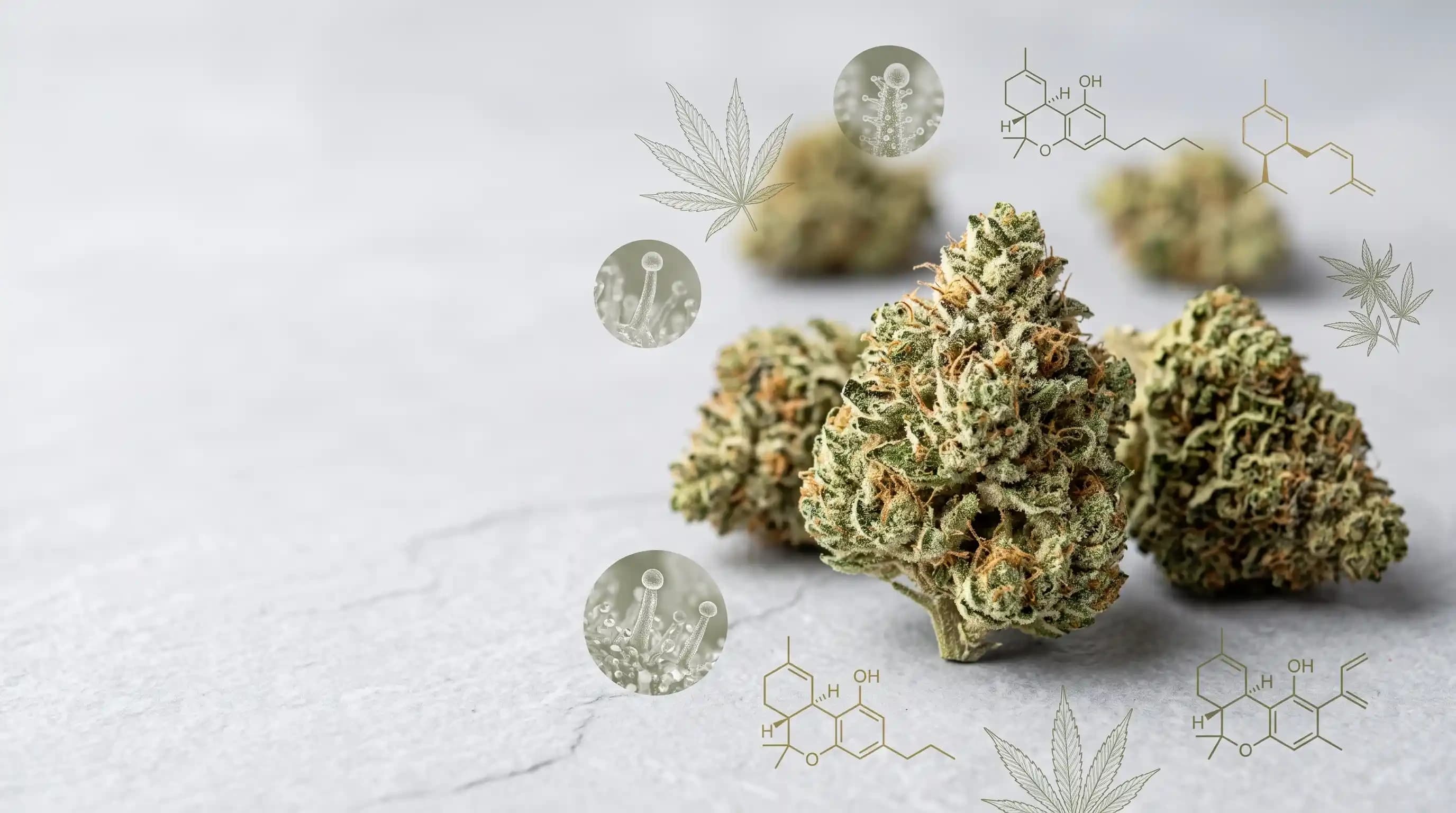
Cannabis flower is the dried and cured flower of the cannabis plant. It is also commonly called cannabis bud, weed flower, or simply flower. Unlike concentrates and other processed cannabis products, flower remains close to its original plant form. It contains cannabinoids such as THC and CBD, along with terpenes and other natural compounds.
For many people, flower is one of the first cannabis products they encounter. You may see loose buds, pre-rolls, and different cultivars, each with its own THC level, aroma, flavor, and terpene profile. Understanding these details can make it easier to compare different cannabis flower products.
So, what is cannabis flower, what makes it different, and what should you know before choosing it? This guide covers the basics, from the parts of the flower to cannabinoids, terpenes, potency, and common ways to use it.
What Makes Cannabis Flower Different?
Cannabis flower is the flowering portion of the cannabis plant that is harvested, dried, and cured for use. The flowers develop during the plant's flowering stage and contain resin-producing trichomes. These tiny structures produce and store many of the cannabinoids and terpenes found in cannabis flower.
Cannabis Flower vs. Cannabis Bud
“Cannabis flower” and “cannabis bud” generally refer to the same part of the plant. Bud is simply a common term for the compact flowering structures found on mature cannabis plants. You may also see products described as marijuana flower or weed flower. The flower sold at a dispensary has gone through several steps before it reaches the shelf. Growers harvest the mature flowers, then dry and cure them under controlled conditions. This preparation helps develop the flower's texture, aroma, and overall quality.
How Cannabis Flower Goes from Plant to Product
Cannabis flower begins developing when the plant enters its flowering stage. Once the flowers reach maturity, growers harvest them and remove excess plant material during trimming. The flowers then undergo drying to reduce their moisture content.
After drying, the flower is cured and stored under controlled conditions. Proper handling during these stages helps preserve the characteristics of the finished product. The flower can then undergo required testing before reaching consumers through Michigan's licensed cannabis market. The Michigan Cannabis Regulatory Agency oversees safety compliance facilities that conduct safety and compliance testing on cannabis products sold through Michigan's licensed market.
What's Inside Cannabis Flower?
Cannabis flower contains cannabinoids, terpenes, and other naturally occurring plant compounds. A review of Cannabis sativa identified hundreds of compounds, including cannabinoids and terpenes. The exact chemical profile can vary between cultivars and growing conditions.
For beginners, the most useful compounds to understand are THC, THCA, CBD, and terpenes. Trichomes also matter because they produce the resin where many of these compounds are found. Together, these features help explain why cannabis flower can differ in aroma, flavor, appearance, and effects.
Cannabinoids: THC, THCA, CBD, and More
Cannabinoids are compounds produced naturally by the cannabis plant. THC and CBD are the two most familiar, although cannabis flower contains many others, including CBG, CBN, and THCV. Their amounts can vary significantly from one cultivar or product to another.
THC is best known for producing the intoxicating effects associated with cannabis. CBD does not produce the same intoxicating effect as THC. However, neither cannabinoid tells the complete story of a flower's characteristics.
You may also see THCA on a cannabis flower label. THCA is the acidic precursor to delta-9 THC. In its natural form, cannabis flower contains primarily THCA rather than delta-9 THC.
The Role of Terpenes
Terpenes are aromatic compounds found in cannabis and many other plants. They are a major part of what gives cannabis flower its distinct smell and flavor. Different cultivars can have very different terpene profiles, which helps explain why one flower may smell citrusy while another smells earthy or pine-like.
Common cannabis terpenes include myrcene, limonene, caryophyllene, pinene, and linalool. When you look at a flower's terpene profile, you are getting another useful piece of information about the product. However, a terpene should not be treated as a guarantee of a specific effect.
Instead, think of terpenes as part of the bigger picture. The cultivar's genetics, cannabinoid content, terpene profile, and your own response can all influence the experience.
Understanding Trichomes and Other Parts of the Flower
If you look closely at cannabis flower, you may notice a frosty or crystal-like coating. Those tiny structures are trichomes, which are small resin-producing glands found on the plant. Cannabis produces cannabinoids in glandular trichomes, which are especially abundant on the flowers.
You may also notice pistils, which look like fine hairs extending from the flower. Sugar leaves can grow around the buds and may also contain trichomes. These structures are normal parts of the cannabis flower and contribute to its overall appearance.
Trichome coverage can be useful when looking at flower, but appearance alone does not determine quality. A good product also depends on factors such as cultivation, drying, curing, storage, and testing. That is why it is better to consider the whole product rather than judge it by how frosty it looks.
What Are the Different Types of Cannabis Flower?
Cannabis flower is commonly grouped into three categories: indica, sativa, and hybrid. These terms appear frequently on dispensary menus and product labels. However, they are broad categories and do not fully describe a flower's characteristics or potential effects.
- Indica: This label is traditionally associated with shorter, broader cannabis plants and is now often used for flower marketed toward relaxing experiences. However, the label alone does not guarantee a particular effect.
- Sativa: Commonly used for cultivars traditionally associated with taller plants and narrower leaves. In today's cannabis market, sativa-labeled flower is often associated with more uplifting or energizing experiences. Still, the label does not reliably predict how a particular product will affect every person.
- Hybrid: Hybrid flower comes from cannabis genetics that combine different lineages. Many modern cultivars are hybrids, which means they may not fit neatly into traditional indica or sativa categories. Their characteristics can vary based on their specific genetics, cannabinoid content, and terpene profile.
Modern research supports taking these labels as general descriptions rather than precise predictors. A 2021 study published in Nature Plants analyzed 297 cannabis samples and found that Sativa–Indica labels did not reliably reflect overall genetic or chemical variation.
When comparing flower, consider the cultivar, cannabinoid content, terpene profile, and product information alongside the indica, sativa, or hybrid label. This gives you a more complete picture of what you are buying.
How Cannabinoids and Terpenes Help Describe Flower
Looking at cannabinoids and terpenes can give you more useful information than an indica, sativa, or hybrid label alone. THC and CBD describe the cannabinoid content, while terpenes provide information about aroma and flavor. Together with the cultivar and product details, these factors give you a clearer picture of the flower.
How Strong Is Cannabis Flower?
Cannabis flower potency usually refers to its cannabinoid concentration, especially THC. You will often see THC, THCA, CBD, or total THC information on a flower label when exploring products from trusted brands. These numbers can help you compare products, but they do not tell you everything about the flower or how it will feel.
Understanding THC and THCA Percentages
THCA is the primary acidic form of THC found naturally in cannabis flower. When flower is heated, such as during smoking or vaporization, THCA can convert into delta-9 THC through decarboxylation. This process is one reason heated cannabis flower can produce intoxicating effects.
Cannabis labels may show THCA, THC, and total THC values. These numbers describe the flower's cannabinoid content, but they do not predict exactly how the product will affect you. Individual responses can vary based on the product and the person using it.
For beginners, the important point is not to focus on a single number. Look at the complete cannabinoid and terpene profile instead. This gives you more context when comparing different cannabis flower products.
Does Higher THC Mean Stronger or Better Flower?
A higher THC percentage means the flower contains more THC by weight. However, higher THC does not automatically mean better cannabis flower. Factors such as freshness, aroma, terpene content, cultivation, drying, curing, and storage also contribute to the product's overall quality. Higher THC can also mean a more intense experience for some people. Therefore, beginners do not need to assume that the product with the highest percentage is the best choice. Instead, consider your experience level and compare the product's full label information.
Why Cannabis Effects Vary From Person to Person
Cannabis can affect people differently, even when they use the same flower. The amount consumed, THC concentration, previous cannabis experience, individual biology, and method of consumption can all influence the experience. Your response can also vary from one product to another.
Inhaled cannabis tends to produce effects relatively quickly, while the intensity can increase with the amount consumed. A randomized crossover study published in JAMA Network Open found that vaporized cannabis produced higher blood THC levels and stronger effects than smoked cannabis at the same THC dose. The study involved 17 adults who infrequently used cannabis, so the findings should not be treated as a prediction for every consumer. Still, they show that the method of consumption can influence the experience.
For that reason, new consumers should take a measured approach rather than chasing a particular THC percentage. Understanding the label can help you compare products, but your own response remains an important part of the equation.
If you’re not sure where to start, connect with a knowledgeable budtender at Levels to help you understand your options and find flower that matches your preferences.
How Is Cannabis Flower Used?
Cannabis flower can be consumed in a few different ways. The most common methods involve smoking or vaporizing the dried flower. The method you choose can affect how quickly the effects begin and how the experience feels.
Smoking Cannabis Flower
Smoking is one of the most familiar ways to use cannabis flower. The flower can be rolled into a cannabis joint or placed in a pipe or water pipe. Pre-rolls offer another convenient option because the flower has already been prepared for use.
Smoking involves combustion, which creates smoke from the burning plant material. Cannabis smoke can irritate the lungs and airways and exposes them to smoke and its byproducts. Consider these factors when choosing a consumption method.
Vaping With a Dry-Herb Vaporizer
A dry-herb vaporizer heats cannabis flower without directly burning it. Instead, the device uses controlled heat to release cannabinoids and other compounds for inhalation. This makes dry-herb vaporization different from cannabis vape cartridges, which usually contain cannabis extracts.
Research suggests that vaporized cannabis can produce stronger effects than smoked cannabis at the same THC dose. Therefore, switching from smoking to vaporizing does not necessarily mean the same amount will feel the same.
How Quickly Inhaled Cannabis Flower Takes Effect
Inhaled cannabis generally produces effects faster than products that are swallowed. When cannabis is inhaled, cannabinoids enter the bloodstream through the lungs. Effects can begin within minutes, although the timing and intensity vary between individuals.
A 2018 review in the European Journal of Internal Medicine notes that inhaled cannabis has a faster onset than oral cannabis, while oral products generally take longer to produce effects. The review also noted that factors such as dose, product potency, and individual response can influence the experience.
The exact timing can vary based on the product, amount consumed, and individual response.
The Bottom Line: What Beginners Should Know About Cannabis Flower
Cannabis flower is the dried and cured flowering part of the cannabis plant, with cannabinoids and terpenes largely intact. Understanding the cultivar, cannabinoid content, terpene profile, and product information can help you make more informed comparisons.
There is no single flower that produces the same experience for everyone. Learning what you prefer can make choosing flower easier. Visit a Michigan dispensary near you to explore the cannabis flower options available at Levels Cannabis.
Frequently Asked Questions (FAQs)
Is cannabis flower the same as weed?
“Cannabis flower” refers specifically to the dried and cured flowers of the cannabis plant. “Weed” is a broader informal term that can refer to cannabis in general. You may also hear flower called bud or cannabis bud.
What are trichomes on cannabis flower?
Trichomes are tiny resin-producing structures found on cannabis flowers. They contain many of the cannabinoids and terpenes found in the plant. Their presence also gives some flower its frosty appearance.
What are terpenes in cannabis flower?
Terpenes are aromatic compounds that contribute to the smell and flavor of cannabis flower. Different cultivars can have different terpene profiles. They are useful when comparing flower, but they should not be treated as guarantees of specific effects.
How much THC is in cannabis flower?
THC levels vary considerably between cannabis flower products. The exact amount is listed on the product label, often alongside THCA and other cannabinoid information. A higher THC percentage does not automatically mean the flower is better.
What is cannabis flower used for?
Cannabis flower is commonly consumed through smoking or dry-herb vaporization. It can also serve as the starting material for certain cannabis products, including concentrates and infused products.
Is cannabis flower legal in Michigan?
Michigan allows adults 21 and older to purchase and possess cannabis under the state's adult-use cannabis laws. Consumers should purchase cannabis flower from licensed retailers and follow applicable state requirements.
References:
- Abuhasira, R., Shbiro, L., & Landschaft, Y. (2018). Medical use of cannabis and cannabinoids containing products—Regulations in Europe and North America. European Journal of Internal Medicine, 49, 2–6. https://doi.org/10.1016/j.ejim.2018.01.001
- Booth, J. K., & Bohlmann, J. (2019). Terpenes in Cannabis sativa—From plant genome to humans. Plant Science, 284, 67–72. https://doi.org/10.1016/j.plantsci.2019.03.022
- ElSohly, M. A., Radwan, M. M., Gul, W., Chandra, S., & Galal, A. (2017). Phytochemistry of Cannabis sativa L. In A. D. Kinghorn, H. Falk, S. Gibbons, & J. Kobayashi (Eds.), Phytocannabinoids: Unraveling the complex chemistry and pharmacology of Cannabis sativa (pp. 1–36). Springer.
- ElSohly, M. A., Mehmedic, Z., Foster, S., Gon, C., Chandra, S., & Church, J. C. (2016). Changes in cannabis potency over the last 2 decades (1995–2014): Analysis of current data in the United States. Biological Psychiatry, 79(7), 613–619. https://doi.org/10.1016/j.biopsych.2015.10.003
- Hazekamp, A., Fischedick, J. T., & Radoiu, M. (2016). Cannabis—From cultivar to chemovar. Cannabis and Cannabinoid Research, 1(1), 3–16.
- MacCallum, C. A., & Russo, E. B. (2018). Practical considerations in medical cannabis administration and dosing. European Journal of Internal Medicine, 49, 12–19. https://doi.org/10.1016/j.ejim.2018.01.004
- Niesink, R. J. M., & van Laar, M. W. (2013). Does cannabis potency matter? Addiction, 108(1), 1–2.
- Namdar, D., Voet, H., Ajjampura, P., Vulfsons, L., Sufrin, A., & Mechoulam, R. (2019). Terpenoids, minor cannabinoids, and other phytochemicals: The “entourage effect” in cannabis. Cannabis and Cannabinoid Research, 4(4), 281–288.
- Pollastro, F., Minassi, A., & Taglialatela-Scafati, O. (2018). Nomenclature and chemical properties of phytocannabinoids. Phytochemistry, 149, 1–13.
- Radwan, M. M., Wanas, A. S., Chandra, S., & ElSohly, M. A. (2021). Cannabinoids, phenolics, terpenes and alkaloids of Cannabis. Molecules, 26(9), 2774. https://doi.org/10.3390/molecules26092774
- Russo, E. B. (2011). Taming THC: Potential cannabis synergy and phytocannabinoid-terpenoid entourage effects. British Journal of Pharmacology, 163(7), 1344–1364.
- Watts, S., McElroy, M., Migicovsky, Z., Maassen, H., van Velzen, R., & Myles, S. (2021). Cannabis labelling is associated with genetic variation in terpene synthase genes. Nature Plants, 7, 1330–1334. https://doi.org/10.1038/s41477-021-01003-y
- Wang, M., & Wang, Y. (2022). Acidic cannabinoid decarboxylation. Journal of Cannabis Research, 4, Article 38.
- Spindle, T. R., Cone, E. J., Schlienz, N. J., Mitchell, J. M., Bigelow, G. E., Flegel, R., Hayes, E., & Vandrey, R. (2018). Acute effects of smoked and vaporized cannabis in healthy adults who infrequently use cannabis: A crossover trial. JAMA Network Open, 1(7), e184841. https://doi.org/10.1001/jamanetworkopen.2018.4841
- Michigan Cannabis Regulatory Agency. (n.d.). Scientific Section. State of Michigan. https://www.michigan.gov/cra/sections/enforcement-division/scientific-section
Recent Post