
How do you want to shop?
What Are Terpenes? A Beginner’s Guide

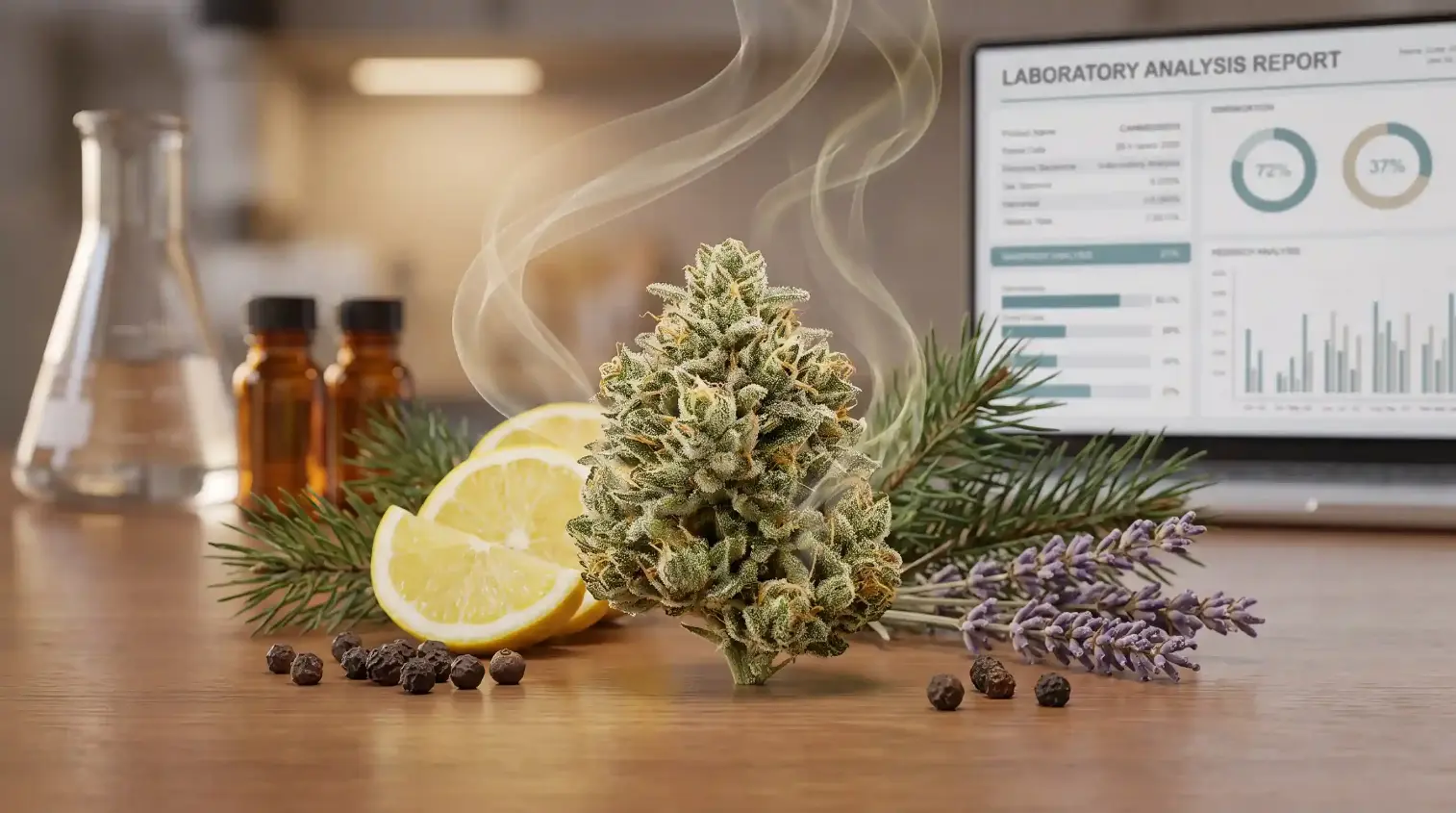
If you have ever wondered why one cannabis strain smells like citrus while another smells earthy, spicy, or piney, terpenes are part of the answer. Terpenes are naturally occurring aromatic compounds that give cannabis its distinct scent and flavor. They are also found in many other plants, including lemons, lavender, pine trees, and black pepper. In cannabis, different combinations of terpenes create different aroma and flavor profiles.
Terpenes are part of cannabis chemistry, and their levels can vary between strains and cannabis products. Paying attention to a product's terpene profile can provide more information about its composition beyond THC percentage.
In this beginner’s guide, we’ll explain what terpenes are, why they matter, how they differ from cannabinoids, which cannabis terpenes are most common, and how to understand terpene information on product labels. Continue reading to see how these compounds fit into the bigger picture of cannabis.
Why Do Terpenes Matter in Cannabis?
Terpenes matter because they help shape the aroma, flavor, and character of cannabis. They are produced in the plant’s glandular trichomes, where cannabinoids such as THC and CBD are also produced. Researchers have identified 120 terpenes in cannabis, although only a smaller group commonly appears in notable amounts. A 2021 review in Molecules documented 120 cannabis terpenes and described their role in the plant’s characteristic aroma.
Cannabis can have different terpene profiles from one cultivar to another. These differences can affect the aromas and flavors you notice from different cannabis products.
How Terpenes Contribute to Aroma and Flavor
Terpenes are one reason cannabis can smell and taste so different from one product to another. Some profiles may smell bright and citrusy, while others can have earthy, floral, piney, or spicy notes. These characteristics come from the combination of terpenes present and their relative concentrations.
For example, limonene is commonly associated with citrus aromas. Pinene has a pine-like scent, while myrcene often has earthy or herbal notes. Caryophyllene is known for its spicy, peppery aroma. Together, these compounds contribute to the overall terpene profile rather than acting as isolated scents.
Terpene | Common aroma or flavor |
Myrcene | Earthy, herbal, musky |
Limonene | Citrus, lemon, orange |
Pinene | Pine, fresh, woody |
Linalool | Floral, lavender |
Caryophyllene | Peppery, spicy |
Humulene | Earthy, woody, hoppy |
Terpinolene | Herbal, floral, citrusy |
Aroma can give you a general sense of a product’s profile. However, your nose cannot tell you the exact terpene percentage. For that information, check the product label or available laboratory results.
How Terpenes May Influence the Cannabis Experience
Terpenes may contribute to the overall cannabis experience, but their role is not fully understood. Consumers often associate certain terpene profiles with particular experiences, although these associations are not guarantees.
For example, myrcene is often linked with relaxing profiles, while limonene is commonly associated with bright, citrus-forward varieties. These descriptions can help you understand how people commonly characterize different terpene profiles.
Terpenes are therefore best viewed as one part of a cannabis product's composition. Their presence can add context when comparing products, without suggesting that one terpene will determine how a product feels.
What Is the Difference Between Terpenes and Cannabinoids?
Terpenes and cannabinoids are two different groups of compounds found in cannabis. They both contribute to the plant’s overall chemical profile, but they have different roles. Terpenes are best known for aroma and flavor, while cannabinoids include compounds such as THC and CBD that interact with the body’s endocannabinoid system.
Understanding this difference makes cannabis labels easier to read. A product can have high cannabinoid content but a very different terpene profile from another product. Looking at both gives you a broader view of what is actually in the product.
Terpenes vs. THC and CBD
THC and CBD are cannabinoids, while myrcene, limonene, and pinene are terpenes. Their chemical structures and biological roles differ, so they should not be treated as interchangeable parts of cannabis.
THC is the primary intoxicating cannabinoid in cannabis. It interacts with cannabinoid receptors in the body and is largely responsible for the high associated with cannabis. CBD does not produce the same intoxicating effect as THC, although it can still interact with several biological systems.
Terpenes primarily contribute to the plant’s aroma and flavor. Some may also interact with receptors and other biological pathways, but research is still examining how those interactions affect the human cannabis experience.
Compound type | Examples | Main role |
Terpenes | Myrcene, limonene, pinene | Aroma, flavor, and potentially other biological effects |
Cannabinoids | THC, CBD | Interactions with the body’s cannabinoid and other receptor systems |
THC | Delta-9-tetrahydrocannabinol | Main intoxicating cannabinoid in cannabis |
CBD | Cannabidiol | Non-intoxicating cannabinoid with different biological activity |
This distinction is useful when reading cannabis information. THC and CBD identify specific cannabinoids, while terpene information describes the aromatic compounds present in the product.
What Is a Terpene Profile?
A terpene profile describes the mix and relative amounts of terpenes found in a cannabis product. Different strains, cultivars, and products can have different profiles. The combination of these compounds contributes to the product's overall chemical makeup.
Terpene content refers to the amount of individual terpenes detected in a product. Laboratory results may list individual compounds with their measured concentrations and may also show a total terpene percentage.
For example, one COA might show limonene as the most abundant terpene in a sample, while another might contain more myrcene or caryophyllene. These measurements show the specific terpene composition of each product. Terpene content is separate from cannabinoid content. A product can have a higher terpene percentage without having higher THC levels because they describe different groups of compounds.
What Factors Affect Cannabis Terpene Content?
Several factors can influence terpene levels before and after cannabis reaches the finished product. Cannabis genetics play an important role because different cultivars have different capacities for producing specific terpenes. Growing conditions can also affect terpene production and the final profile.
Harvest timing matters as well. Once cannabis is harvested, handling becomes especially important because some terpenes can be lost during drying, curing, processing, and storage. Heat, light, oxygen, and time can contribute to terpene degradation.
Factor | How it can affect terpenes |
Cannabis genetics | Influences which terpenes the plant can produce |
Growing conditions | Can affect terpene production and concentration |
Harvest timing | Can influence the terpene profile at harvest |
Drying and curing | Can change terpene levels and aroma |
Storage | Heat, light, oxygen, and time can contribute to degradation |
Because terpene levels can change after harvest, the profile measured in fresh plant material may differ from the profile in a finished product. This is one reason testing the finished product can provide more useful information than relying on the strain name alone.
What Are the Most Common Cannabis Terpenes?
Cannabis contains many different terpenes, but some appear more often in product testing and cannabis research. The most familiar include myrcene, limonene, pinene, linalool, caryophyllene, humulene, and terpinolene. Each has its own chemical structure and characteristic aroma. These names often appear on cannabis labels and lab results. Learning the most common terpenes can make it easier to recognize and compare different cannabis brands and their product profiles.
Terpene | Common aroma | Where else it occurs |
Myrcene | Earthy, herbal, musky | Hops, herbs |
Limonene | Citrus, lemon, orange | Citrus fruits |
Pinene | Pine, woody, fresh | Pine trees, rosemary |
Linalool | Floral, lavender | Lavender, herbs |
Caryophyllene | Spicy, peppery, woody | Black pepper, cloves |
Humulene | Earthy, woody, hoppy | Hops |
Terpinolene | Herbal, floral, citrusy | Tea tree, herbs |
Myrcene
Myrcene is commonly found in cannabis and has an earthy, musky, or herbal aroma. It also occurs naturally in plants such as hops and herbs. Myrcene is often associated with relaxing cannabis profiles, although research does not show that myrcene alone determines how a product feels.
Limonene
Limonene has a bright citrus aroma and occurs naturally in citrus fruits. In cannabis, it can contribute lemon or orange-like notes to the overall profile. Research has examined limonene for various biological activities, but those findings do not establish a predictable effect from consuming limonene-rich cannabis.
Pinene
Pinene includes terpene compounds with a characteristic pine-like aroma. It occurs naturally in plants such as pine trees, rosemary, and basil. While pinene has been studied for biological activity, claims that it reliably improves focus or changes THC effects are not established by current human evidence.
Linalool
Linalool is known for its floral, lavender-like aroma and occurs naturally in lavender and other plants. In cannabis, it can add soft floral notes to a terpene profile. Much of the research into its biological activity remains preclinical, so it should not be treated as a guaranteed source of a particular effect.
Caryophyllene
Caryophyllene, also called beta-caryophyllene, has a spicy and peppery aroma. It occurs naturally in black pepper, cloves, and cinnamon. Unlike many other terpenes, beta-caryophyllene can interact with CB2 cannabinoid receptors, making it an important compound in cannabis research.
Humulene and Terpinolene
Humulene has earthy, woody, and hoppy notes and occurs naturally in hops. Terpinolene has a more complex profile that can include herbal, floral, pine, and citrus notes. Both can appear in cannabis, although their concentrations vary considerably between cultivars and batches.
The important point is that a cannabis product's profile comes from the combination and relative concentration of multiple terpenes, rather than one compound alone.
If you want help understanding a terpene profile, you can connect with a knowledgeable budtender from Levels Cannabis for guidance.
Do Terpenes Affect the Cannabis High?
Terpenes do not produce the cannabis high in the same way THC does. However, according to a study published in Journal of Cannabis Research by SAGE Journals, terpenes may interact with cannabinoids and other cannabis compounds, although the extent of these interactions is still being studied.
The answer is not as simple as matching one terpene to one effect. Cannabis experiences can vary based on cannabinoid content, terpene profile, dose, product type, tolerance, and individual response. The research therefore supports a cautious view of terpene effects rather than a fixed list of predictable outcomes.
Are Terpenes Psychoactive?
Most cannabis terpenes are not intoxicating on their own. They do not produce the characteristic cannabis high associated with THC. Some terpenes can interact with biological targets without producing an intoxicating effect. This is different from the way THC produces the primary high associated with cannabis.
Why Products with Similar THC Levels Can Feel Different
Two cannabis products can have similar THC percentages and still differ in aroma, flavor, and overall experience. THC percentage describes the concentration of THC, but it does not show the product's complete chemical profile.
For example, two products could have similar THC levels but different terpene profiles or amounts of other cannabinoids. Product type, dose, tolerance, and individual response can also affect how each product feels.
For a more complete comparison, look at the product's terpene information alongside its cannabinoid content and other available label details.
How to Read Terpene Information on Cannabis Labels
Cannabis labels can provide information beyond THC percentage. When available, terpene data shows which aromatic compounds were detected in a product and their measured amounts. This information can help you compare the terpene composition of different products before making a choice.
Where to Find Terpene Information
Start by checking the package for terms such as terpene content, terpene profile, or individual terpene names. If the information is not printed on the label, look for a QR code or other reference to the product’s COA. The available information can vary between products and batches.
When comparing products, use testing information from the specific batch whenever possible. Terpene levels can vary between batches, even when products have the same strain or cultivar name.
What Do Terpene Percentages Mean?
A terpene percentage indicates how much of the tested product consists of the measured terpene content. Individual terpene levels may also appear as percentages or other units, depending on the laboratory’s reporting format.
For example, a label might show limonene as the dominant terpene while listing smaller amounts of myrcene and pinene. That information describes the product’s chemical composition. It does not mean the product will produce a particular effect.
Terpene percentages should also be kept separate from THC potency. A product with a higher terpene percentage is not automatically stronger or more intoxicating. THC and terpene measurements describe different parts of the product.
How to Identify Dominant Terpenes
The dominant terpenes are generally the compounds present at the highest levels in a product. You can identify them by comparing the individual terpene amounts listed on the label or COA. Looking at the dominant terpenes helps you identify which compounds are present at the highest levels. Compare the individual amounts listed on the label or COA to see which terpenes make up the largest share of the profile. A dominant terpene does not represent the entire profile. Other terpenes may also be present at lower levels.
Are Terpenes Found in Other Cannabis Products?
Terpenes are not limited to cannabis flower. They can remain in products made from the plant, although processing can change the amount and composition. The final terpene profile depends on the starting material, extraction method, processing conditions, and storage.
Different product types can therefore offer different terpene profiles. Checking the product label or available lab results is the most reliable way to see what a specific product contains.
Terpenes in Flower and Pre-Rolls
Flower naturally contains terpenes within its resin glands, making it one of the most direct ways to encounter a cannabis plant's terpene profile. Pre-rolls also contain naturally occurring terpenes because they are made from cannabis flower.
However, the finished profile can vary based on the flower used and how the product was handled. Grinding, processing, packaging, and storage may affect terpene levels over time. If aroma and flavor are important to you, compare the available terpene information for the specific product or batch rather than relying only on the strain name.
For a closer look at cannabis flower, see our guide to What Is Cannabis Flower? A Beginner's Guide.
Terpenes in Concentrates and Vapes
Cannabis concentrates can contain concentrated amounts of cannabinoids and terpenes. Products such as live resin and live rosin are often made using processes designed to preserve more of the plant's original compounds. Their terpene profiles can therefore differ from those of traditional dried flower.
Vape products may contain cannabis-derived terpenes, botanical terpenes, or other ingredients, depending on the formulation. The product label should identify the ingredients and provide relevant testing information.
As a result, the finished product should be evaluated based on its own label and testing information.
Terpenes in Edibles
Terpenes can also appear in some edibles, although their presence depends on how the product is made. Processing and heating can affect volatile compounds, so the terpene profile of an edible may differ from the original cannabis material.
Some manufacturers may add specific terpenes during formulation. Others may retain compounds from the cannabis extract used to make the product. Check the ingredient list and available lab results to determine what is actually in the product.
The Bottom Line: Why Terpenes Matter
Terpenes are an important part of cannabis chemistry, especially when it comes to aroma and flavor. A product's terpene profile can also provide useful context when comparing different cannabis products.
For beginners, the best approach is to treat terpene information as one part of the bigger picture. Consider it alongside cannabinoid content, product type, and other available product information rather than using one terpene to predict exactly how cannabis will feel.
Once you understand what to look for, you can find a dispensary near you at Levels Cannabis and explore products based on their available terpene information.
Frequently Asked Questions (FAQs)
What are terpenes in cannabis?
Terpenes are naturally occurring aromatic compounds found in cannabis and many other plants. They contribute to the plant's distinctive aroma and flavor and form part of its overall chemical profile.
How do terpenes affect cannabis?
Terpenes influence the aroma and flavor of cannabis. Researchers are also studying whether they interact with cannabinoids and other biological pathways, but their effects are not yet predictable enough to assign one outcome to each terpene.
Do terpenes affect the cannabis high?
Terpenes are not intoxicating like THC. They may influence the overall cannabis experience, but current research does not support using a specific terpene as a reliable predictor of how high someone will feel.
What is the difference between terpenes and cannabinoids?
Terpenes and cannabinoids are different groups of cannabis compounds. Terpenes are primarily associated with aroma and flavor, while cannabinoids include compounds such as THC and CBD that interact with biological systems in the body.
What is the difference between terpenes and THC?
THC is an intoxicating cannabinoid, while terpenes are aromatic compounds. Terpenes do not produce the same cannabis high as THC, although researchers continue to study how the compounds may interact.
What are the most common cannabis terpenes?
Common cannabis terpenes include myrcene, limonene, pinene, linalool, caryophyllene, humulene, and terpinolene. Their presence and concentration can vary between cultivars, batches, and products.
References:
- Booth, J. K., & Bohlmann, J. (2019). Terpenes in Cannabis sativa—From plant genome to humans. Plant Science, 284, 67–72. https://doi.org/10.1016/j.plantsci.2019.03.022
- Micalizzi, G., Vento, F., Alibrando, F., Donnarumma, D., Dugo, P., & Mondello, L. (2021). Cannabis sativa L.: A comprehensive review on the analytical methodologies for cannabinoids and terpenes characterization. Journal of Chromatography A, 1637, 461864. https://doi.org/10.1016/j.chroma.2020.461864
- Nuutinen, T. (2018). Medicinal properties of terpenes found in Cannabis sativa and Humulus lupulus. European Journal of Medicinal Chemistry, 157, 198–228. https://doi.org/10.1016/j.ejmech.2018.07.076
- Polito, J. T., & Lange, B. M. (2023). Standard operating procedures for the comprehensive and reliable analysis of cannabis terpenes. Methods in Enzymology, 680, 381–419. https://doi.org/10.1016/bs.mie.2022.07.029
- Radwan, M. M., Chandra, S., Gul, S., & ElSohly, M. A. (2021). Cannabinoids, phenolics, terpenes and alkaloids of Cannabis. Molecules, 26(9), 2774. https://doi.org/10.3390/molecules26092774
- Raz, N., Eyal, A. M., Zeitouni, D. B., Hen-Shoval, D., Davidson, E. M., Danieli, A., Tauber, M., & Ben-Chaim, Y. (2023). Selected cannabis terpenes synergize with THC to produce increased CB1 receptor activation. Biochemical Pharmacology, 212, 115548. https://doi.org/10.1016/j.bcp.2023.115548
- Santiago, M., Sachdev, S., Arnold, J. C., McGregor, I. S., & Connor, M. (2019). Absence of entourage: Terpenoids commonly found in Cannabis sativa do not modulate the functional activity of Δ9-THC at human CB1 and CB2 receptors. Cannabis and Cannabinoid Research, 4(3), 165–176. https://doi.org/10.1089/can.2019.0016
- Simei, J. L. Q., Souza, J. D. R., Lisboa, J. R., Campos, A. C., Guimarães, F. S., Zuardi, A., & Crippa, J. A. S. (2024). Does the “entourage effect” in cannabinoids exist? A narrative scoping review. Cannabis and Cannabinoid Research, 9(5), 1202–1216. https://journals.sagepub.com/doi/10.1089/can.2023.0052